Newborns spend a great deal of time asleep, but it may not feel that way when their sleep comes in short stretches around the clock.
One baby may seem to sleep for much of the day, while another wakes frequently and rarely naps for as long as expected. Both can leave parents wondering whether their baby is getting enough sleep.
There are useful broad guidelines, but newborn sleep varies considerably. Rather than aiming for a perfect number of hours, it helps to understand how sleep typically works during the early months and when a change may be worth discussing with a healthcare professional.
How many hours do newborns sleep?
According to NHS guidance, newborn babies may sleep for around 8 to 18 hours in a 24-hour period.
That is a broad range, and the sleep is usually spread across day and night rather than happening in one long stretch.
Some periods of sleep may be relatively long, while others are brief. Feeding needs, development and individual differences all affect the pattern.
The total can also vary from one day to another.
Why is there such a wide range?
Newborn sleep is still developing.
Young babies do not have the established day-and-night rhythm that older children and adults have. They also need to wake regularly for feeding and care.
This means two healthy babies of a similar age can have noticeably different sleep patterns.
Average sleep figures are useful for understanding the general picture, but they are not a target your baby has to achieve each day.
How long should a newborn sleep at a time?
There is no single correct length for a newborn sleep.
Sleep can happen in short or longer stretches across the 24-hour period. Your baby’s feeding needs are particularly important during these early weeks.
If your midwife or another healthcare professional has advised you to wake your baby for feeds, follow the individual guidance you have been given.
If you are unsure whether your baby is sleeping for too long between feeds, speak to your midwife, health visitor or GP rather than relying on a generic sleep schedule.
Is it normal for a newborn to wake frequently?
Yes. Frequent waking is common during the newborn stage.
Babies wake for many ordinary reasons, including feeding, comfort and changing. Their sleep cycles and body clocks are also still developing.
A baby waking regularly during the night does not necessarily indicate a sleep problem, and there is no need to expect a newborn to sleep through the night.
What about daytime naps?
Newborn sleep is distributed across the whole day, so naps make up a substantial part of their total sleep.
Some may be short. Others can last considerably longer.
Your baby may also have days when naps look quite different from the day before.
Trying to organise every nap into a precise timetable can create unnecessary pressure during a stage when sleep is naturally variable.
How do I know whether my baby is getting enough sleep?
Sleep totals are only one part of the picture.
Your baby’s feeding, alertness when awake, nappies, growth and general wellbeing provide important context too.
If your baby seems unusually sleepy, is difficult to wake, is not feeding as expected or you notice another change that concerns you, contact your midwife, health visitor, GP, NHS 111 or another appropriate healthcare service.
You do not need to determine by yourself whether a change is caused by sleep.
Should I track every hour of sleep?
Some parents find tracking useful, particularly when trying to remember what happened during very tired days.
Others find it creates more anxiety.
Unless a healthcare professional has asked you to record your baby’s sleep, there is no requirement to document every nap or calculate an exact daily total.
If tracking helps you notice broad patterns, it can be useful. If it makes you worry about every variation from an average, you can step away from it.
Safer sleep matters more than a perfect sleep total
However much or little your baby sleeps on a particular day, every sleep should follow current safer sleep guidance.
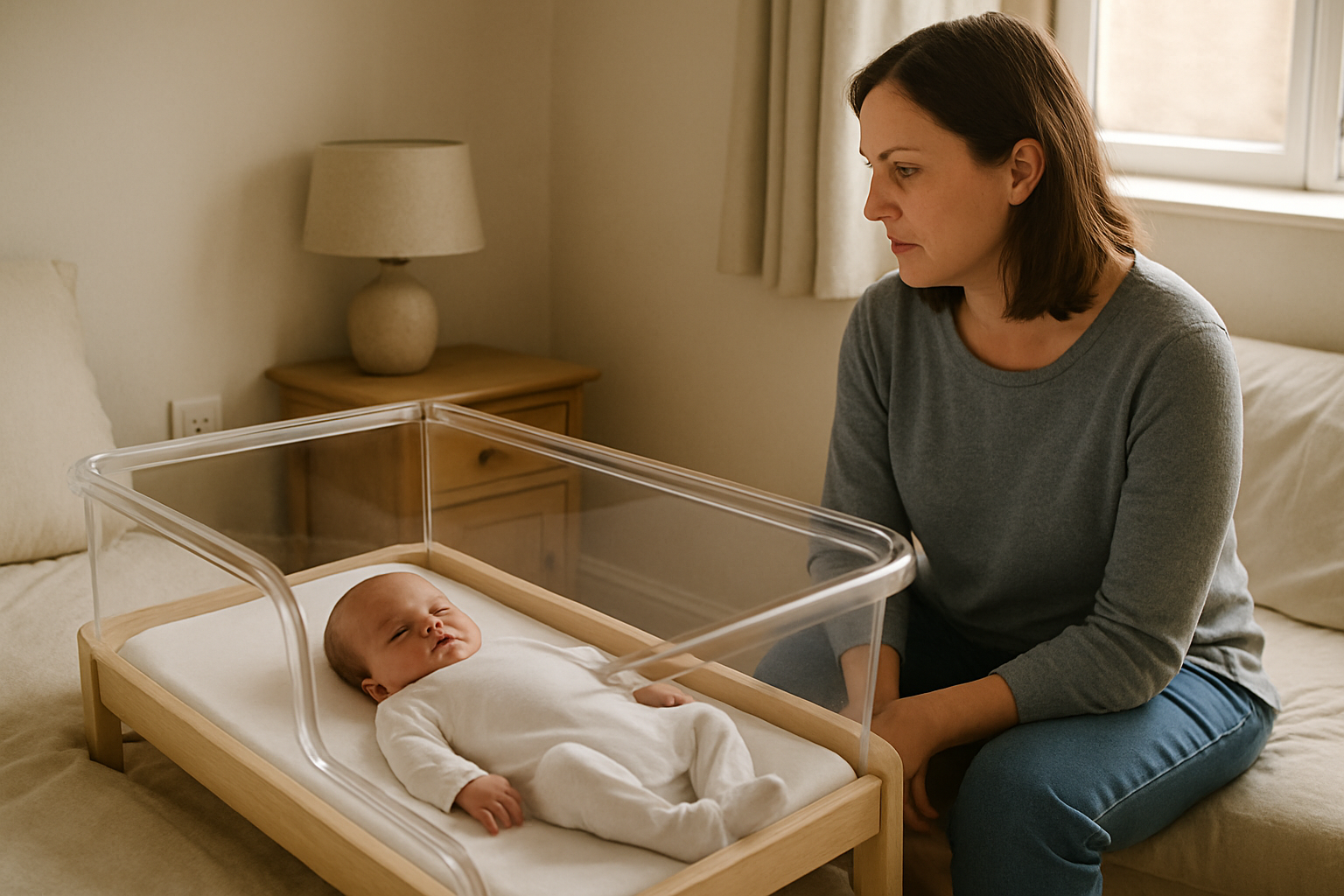
NHS guidance recommends placing your baby on their back in their own clear, separate sleep space, using a firm, flat mattress. For the first six months, their sleep space should be in the same room as you, day and night.
Keep the sleep space clear of pillows, duvets, cot bumpers, sleep positioners, pods, nests, toys and other loose or padded items.
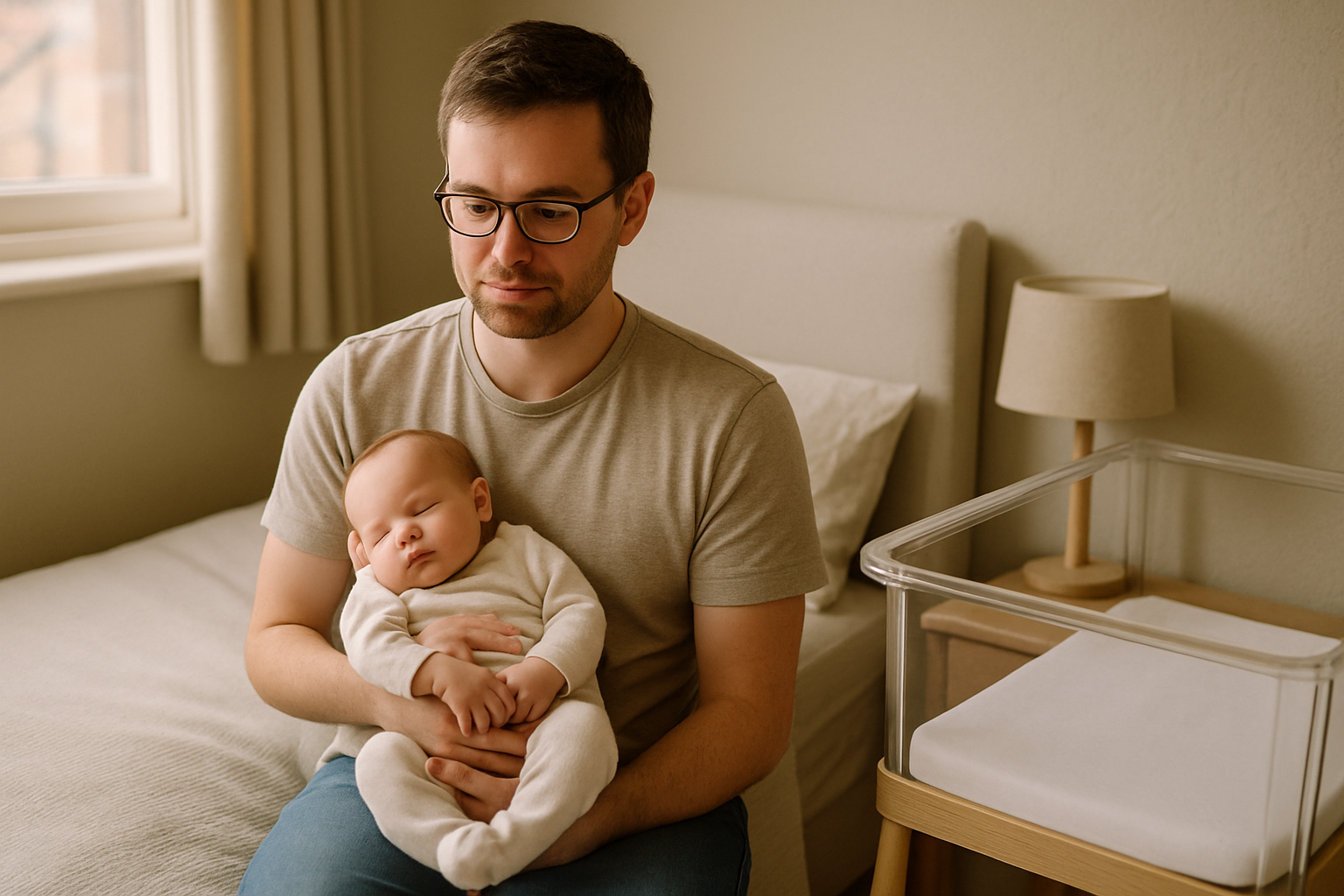
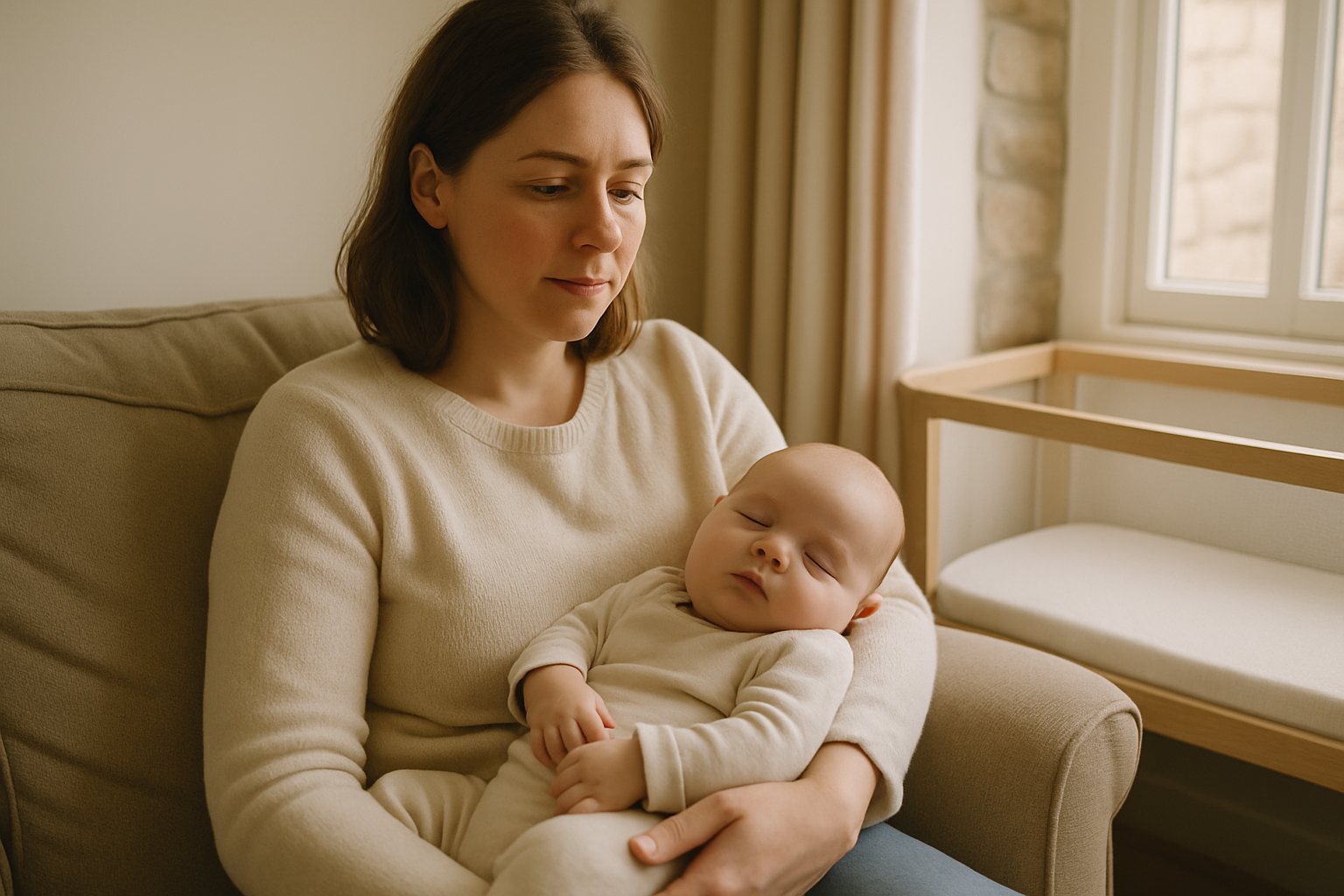
If you are holding your sleeping baby and begin to feel drowsy, move them to their own safe sleep space. Falling asleep with a baby on a sofa or armchair carries a particularly high risk and should be avoided.
When will newborn sleep become more predictable?
Sleep develops gradually rather than changing according to a fixed timetable.
As babies grow, their body clocks mature and their sleep patterns can begin to change. Exactly when this happens varies.
There may also be periods when a pattern appears to be emerging and then changes again.
That does not necessarily mean anything has gone backwards.
You do not need to achieve a sleep target
Knowing roughly how much newborns sleep can be reassuring, but the numbers are best treated as context rather than a daily goal.
Your baby does not need to match another baby’s nap lengths or an online schedule.
During these early months, focus on safer sleep, responsive feeding and care, and your baby’s overall wellbeing.
If their sleep or behaviour concerns you, speak to a healthcare professional who can consider the whole picture rather than the number of hours on a sleep tracker.