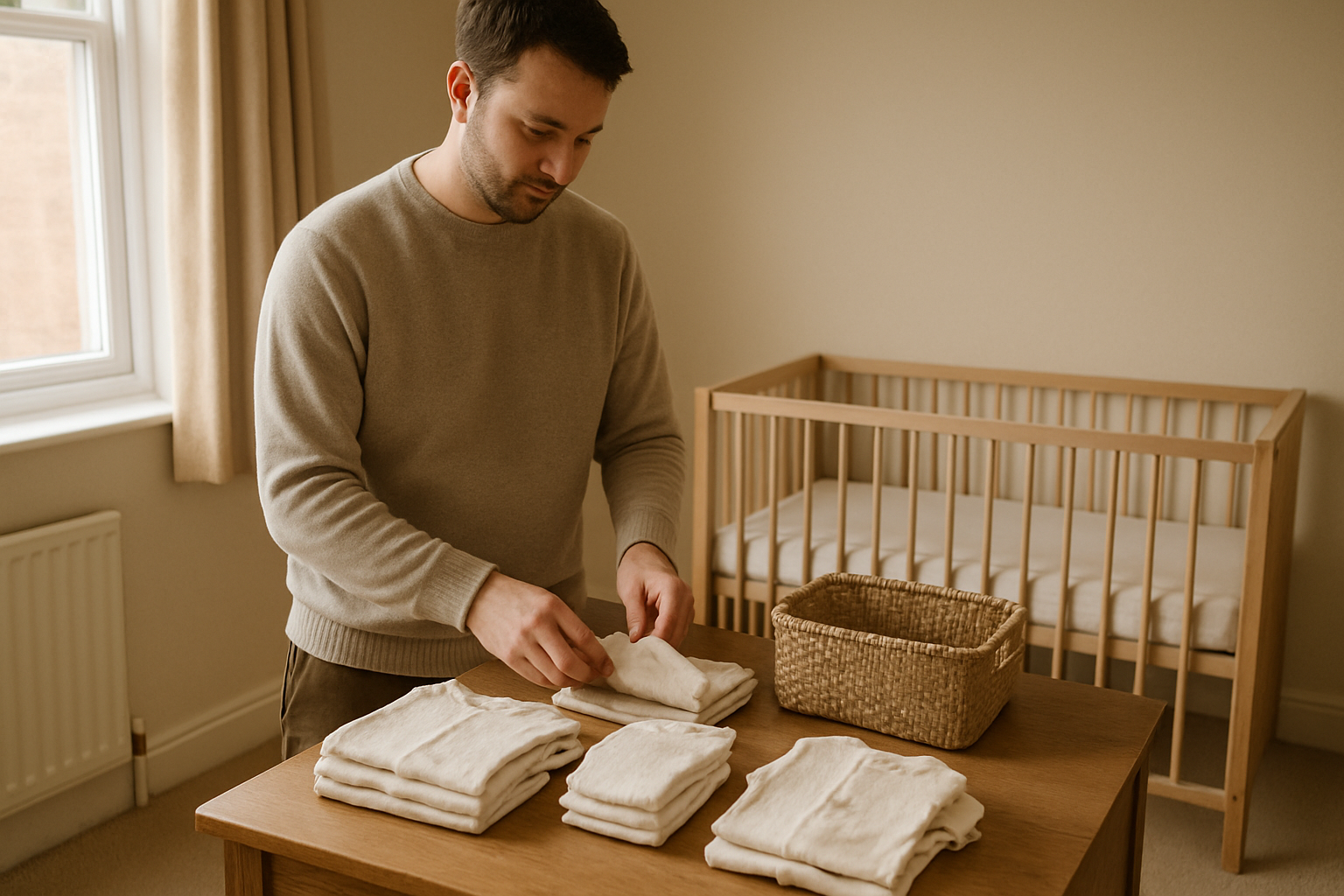
Bringing your baby home can feel wonderful, strange, exhausting and surprisingly ordinary, sometimes all within the same hour.
The first week is not about finding a perfect routine. It is a period of recovery, feeding, getting to know your baby and adjusting to a completely new rhythm of family life.
Every family’s experience is different, but knowing what the early days can look like may make them feel a little less unfamiliar.
Your days may not have much structure yet
Newborns do not arrive with a predictable timetable. Feeding, sleeping, changing and cuddling can blend into one another, and day and night may feel surprisingly similar.
Rather than trying to establish a strict routine immediately, it can be more useful to focus on your baby’s needs and your own recovery. Patterns tend to become clearer with time.
Your baby is likely to sleep a lot, but in short stretches
Newborn sleep is spread across the day and night. Your baby may sleep frequently but wake regularly for feeds, comfort and care.
For every sleep, follow current safer sleep guidance. NHS guidance recommends placing babies on their back to sleep in their own clear, separate sleep space, on a firm, flat mattress. For the first six months, their sleep space should be in the same room as you, day and night.
Keep the sleep space free from pillows, duvets, cot bumpers, sleep positioners, pods, nests, toys and loose or padded items.
Feeding can take up a large part of the day
However you feed your baby, the early days can involve a great deal of feeding and learning.
If you are breastfeeding, you and your baby are both learning a new skill. If you are formula feeding or combination feeding, you are also getting used to your baby’s cues, feeding equipment and preparation routines.
Your midwife or maternity team can support you with feeding. If you are worried about how your baby is feeding, their wet or dirty nappies, weight, alertness or anything else about their health, contact your midwife, health visitor, GP, NHS 111 or other appropriate healthcare service for advice.
Nappy changes become part of the rhythm
During the first week, nappies can provide useful information about feeding and hydration. Your maternity team will explain what they expect to see as your baby moves through the early days.
If you are uncertain whether your baby’s nappies are as expected, ask your midwife or another healthcare professional rather than relying on comparisons with other babies.
You are recovering too
The focus naturally shifts towards the baby after birth, but your own recovery matters.
Recovery varies depending on pregnancy, labour, birth and individual circumstances. You may feel sore, tired, emotional or physically different from one day to the next.
Accepting practical help with meals, washing, shopping or household tasks can give you more space to recover and care for your baby.
If you are concerned about your physical or emotional recovery, contact your midwife, GP or maternity service. Seek urgent medical help if you experience symptoms that your maternity team has advised require immediate attention.
Visitors are optional
Some parents love having family and friends around immediately. Others want a quieter first few days.
There is no requirement to host visitors because you have had a baby.
You might prefer short visits, ask people to message before coming, or postpone visits until you feel more settled. The arrangement that protects your recovery and works for your household is the one that matters.
Your home does not need to run normally
Washing may pile up. Meals may become simpler. The house may be less tidy than usual.
None of that is a sign that the week is going badly.
Keeping yourself fed, having clean essentials available and caring for your baby are more useful priorities than maintaining your usual household standards.
There may be a lot of emotion
The days after birth can bring significant physical and emotional changes. Some people feel joyful, others tearful or overwhelmed, and many move between different feelings.
If difficult feelings are persistent, worsening, frightening or making it hard to cope, tell someone you trust and speak to your midwife, health visitor or GP. Support is available, and you do not need to decide by yourself whether what you are experiencing is serious enough to mention.
You will have professional support
Your maternity and community care will include checks and opportunities to ask questions after you return home. The exact arrangements vary locally.
Keep contact details for your maternity unit, midwife and other relevant services somewhere easy to find. If something about you or your baby concerns you between planned appointments, you can contact an appropriate healthcare professional rather than waiting for the next visit.
What matters most in the first week
The first week at home is not a test of how quickly you can become organised.
You do not need to establish a perfect sleep schedule, entertain visitors, keep the house immaculate or understand every sound your newborn makes.
Your priorities can be much smaller: feeding your baby, following safer sleep guidance, looking after your own recovery, accepting useful support and gradually learning about the new person who has joined your family.
Some moments will feel calm and others may feel uncertain. Both can belong in the same first week.
Give yourself time to settle into it. You and your baby are only just beginning to get to know one another.